Welcome to the last day of Hotsui Matsuri 2025! In last year’s post we talked about some of the accessories and kinds of Kimono in a little more detail and in real life references than the post we made in 2020. So, I, Star, decided to pivot and cover some other traditional clothing anyone will see in popular media and live all around Japan. Let’s get it!
The Gi aka Keikogi or Dogi
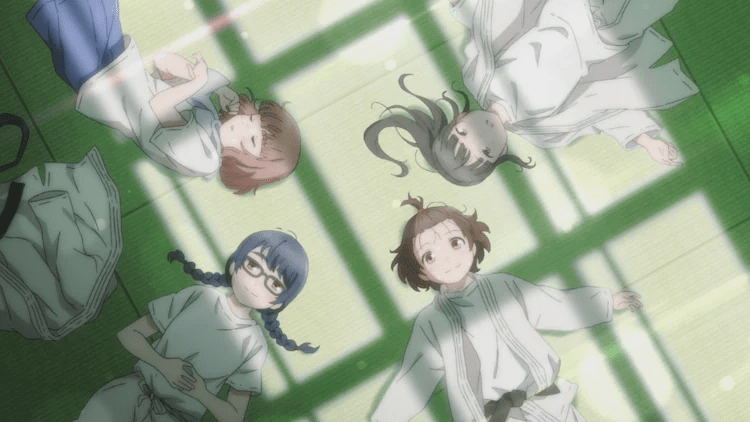
This is one of the most common uniforms you see in East Asian Martial arts practices spanning over many styles and colors that all represent levels of skill and training. Also serves as an androgynous two piece of top and bottom. Most people wear a t-shirt, tank, shorts underneath since the Gi is made of thick material that won’t rip or tear no matter now much it’s grabbed. It is also accompanied by the Obi (aka the belt) that usually signifies the rank of the martial artist by color and or stripes at the ends.
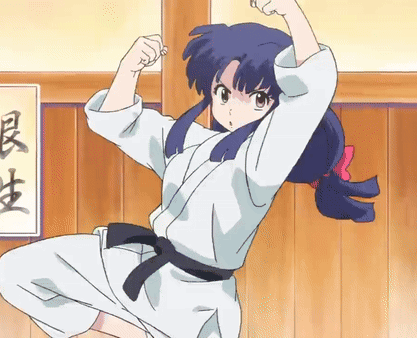
The Gi is made to show not only a practice but an understanding of committment and dedication. Those who wear a Gi are students and masters of this artform, and they are proud to be part of the community. In a lot of ways, the uniforms become a badge of honor and speaking as a person who has years of martial arts experience in different styles as well as an observer that is something of a family traditon, I was always excited when I leveled up haha.
The Mawashi
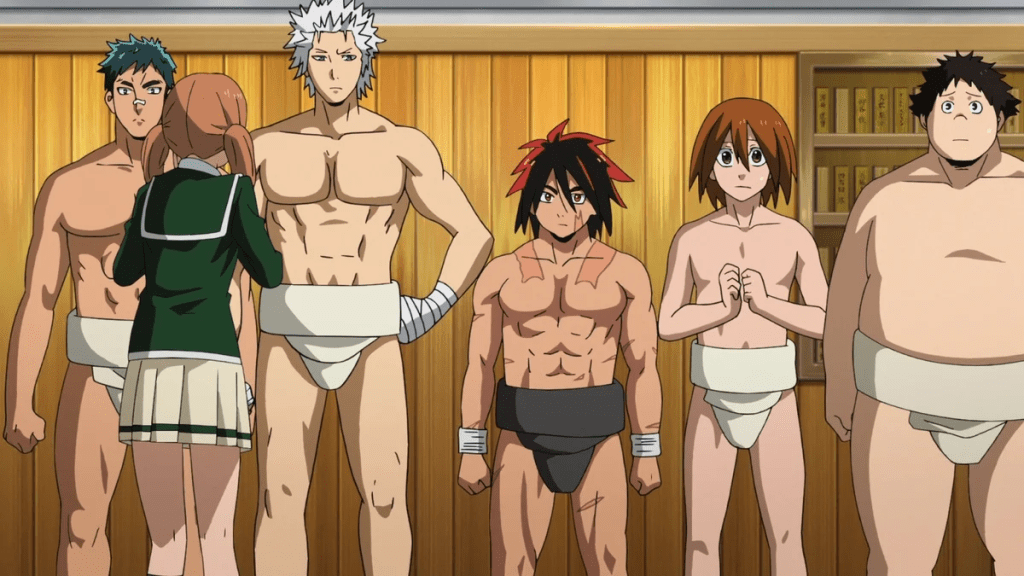
Rikishi aka Sumo Wrestlers, are those who practice in the art of Sumo. Sumo is a sport where two opponents face off to push one another out of the ring. It is incredibly important to emphasis the the Mawashi because that is all your are allowed to wear when the match begins. That also means it’s the one thing that they can grab to lift, throw, hold onto in the ring. It’s tied a certian way and can be decorated with tassles, called Kesho-Mawashi, that symbolize nature and balance as well as rank of the wrestlers. The Mawashi is about 8 meters 26 feet long pice of fabric that is wrapped several times around the body. It is practice that the bigger the body the more unmovable it is. The may also wear a short or long Kimono pre and post match.
Kasaya
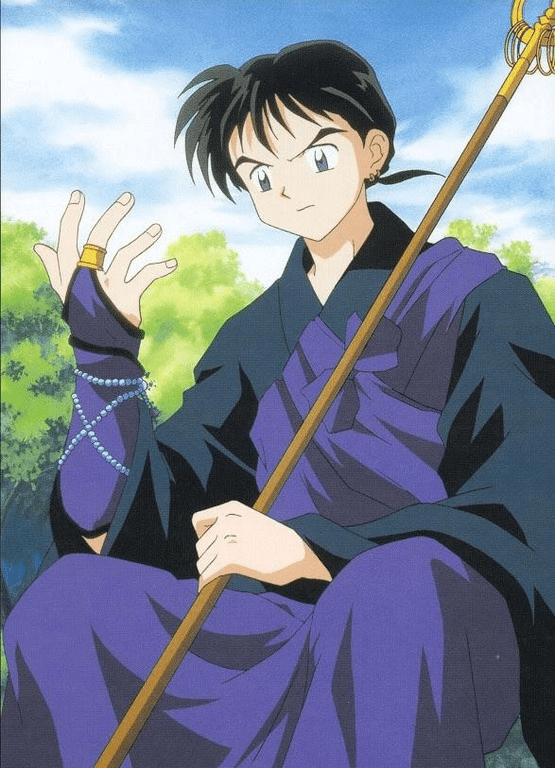
In other words, a Buddhist Monks everyday wear! For Kimono and wrap. The wrap is East Indian influenced. It can come in many colors but wildly seen as a yellow or orange worn by Tibetian Monks. The style orginally came from the tradition of using donated rags as a sign of commitment to let go of materialistic things. (This post goes deeper into the history and traditons of Buddhist clothing.)
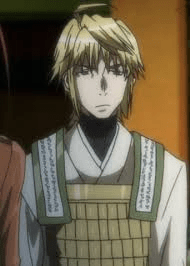
Although, there is symbolism in certian buddhism practices that require wearing an array colors. Each repersenting a different subject of focus. Like white as a sign of purification of the body and soul or blue of peace and healing. Generally, the dyes involved in the colors of robes are all to reflect nature with natural colors. (This is a post that dives deeped into the practices of color in buddhism clothing.)
I hope you enjoyed a little cut of history served with your fashion!
AishiteLOVEru~
Star
 We be bloggin'
One thought on “Hotsui Matsuri 2025: Day 5- Traditional Japanese Fashion”