It’s Hotsui Matsuri day four and today I’m going to be moving away from anime in my post to talk about some culture topics instead! I’m going to be revisiting a topic that I personally have loved over the past few years that we’ve done this campaign, and that is introducing you all to traditional Japanese instruments! You can find past posts here, here, and here. Today, I’m going to be bringing you four more traditional instruments.
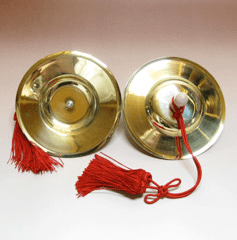
Chappa —
An instrument that produces a beautiful clear sound. This is essentially two, hand cymbals that are clapped together to produce sounds. These cymbals are often handcrafted and often held by either small rings on the back or tassels. Often these instruments are used during festivals and alongside taiko, though they have been used as solo instruments before too.
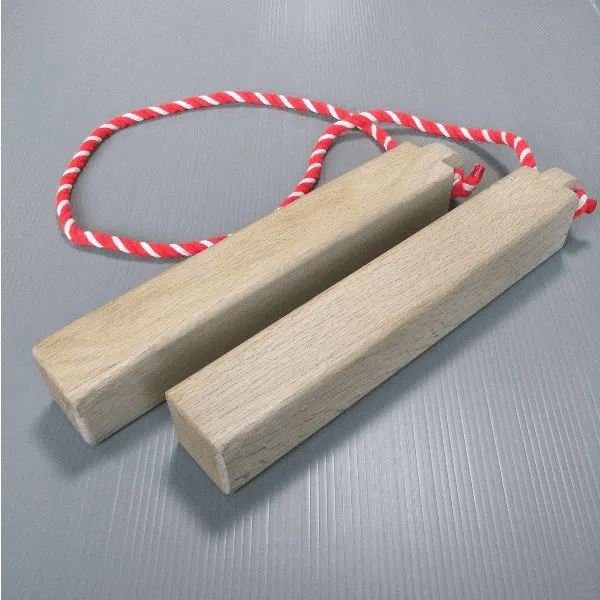
Hyoshigi —
An instrument that is kind of in the same vein as the last one. It’s also made to be struck together to produce sound, but instead of being two metal cymbals, the hyoshigi consists of two wooden blocks. Normally, the wood used would be bamboo and they would be connected by a string in the middle. The Hyoshigi is used most traditionally in Kabuki and Bunraku theater as a sound effect as well as to start the show!
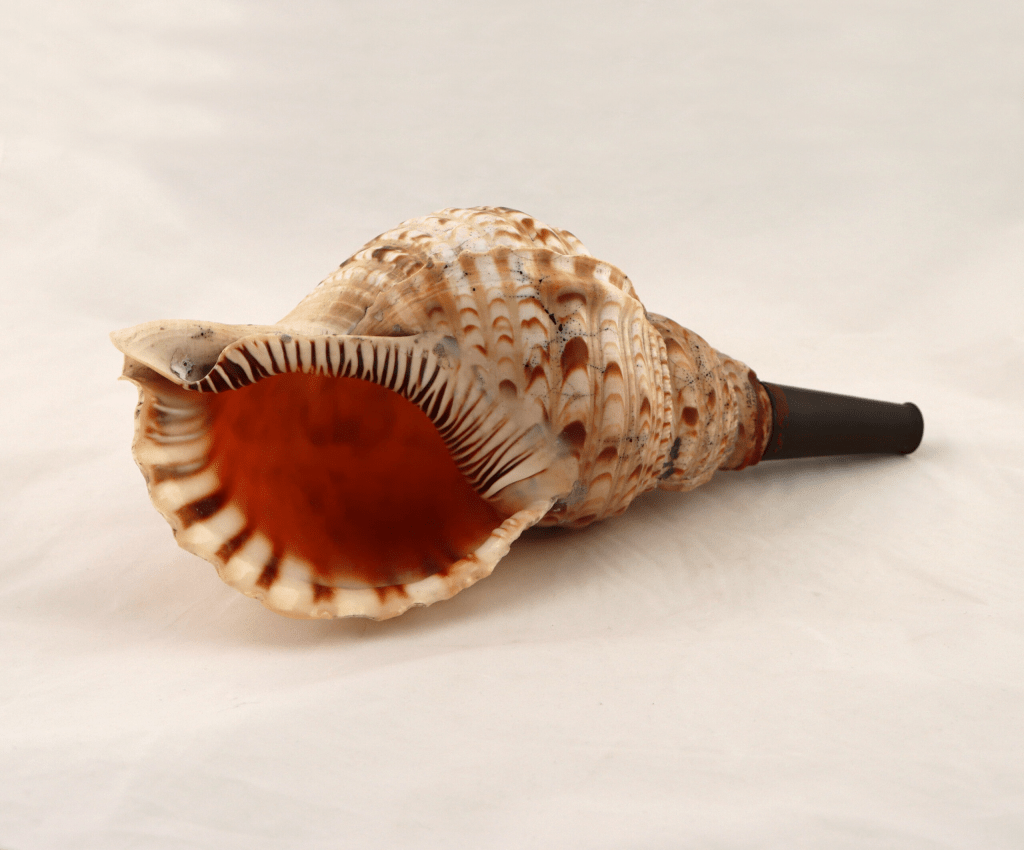
Horagai —
The next instrument is actually my favorite of this entire post! A Horagai is basically a gigantic conch shell that’s traditionally been used as a horn with the addition of a mouthpiece! These special conch shells can produce up to five different pitches, making them unique to other conches. The Horagai was a very important instrument throughout Japan serving both religious and militaristic purposes. To this day, some classrooms use Horagai to teach traditional music and it’s still used in some temples/ceremonies.
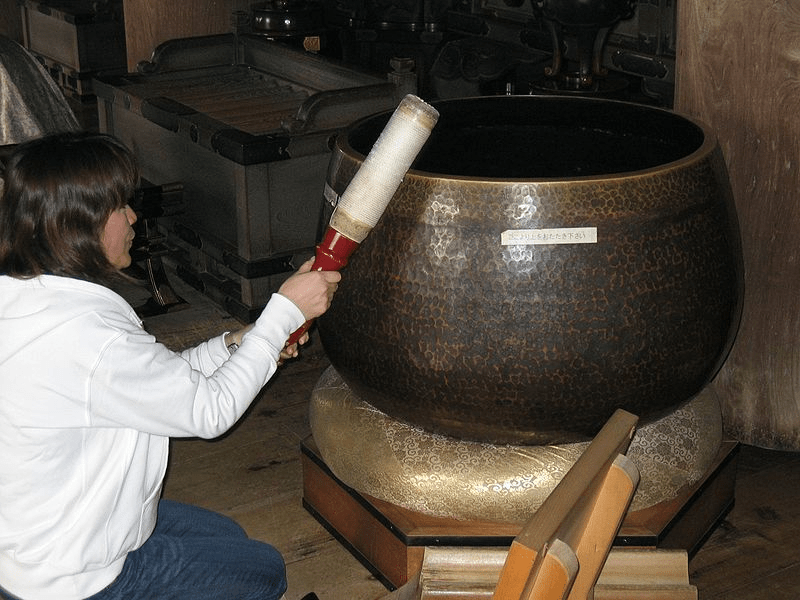
Rin —
An instrument that admittedly didn’t originate from Japan, and is often recognized by more popular names in the Western world. A Rin is essentially a singing bowl. Rin are often used in Buddhist religious practices and are played by being struck on the side to produce sound rather than by dragging around the lip of the bell (or being filled with water). They tend to be used in combination with chanting and meditation.
Well, there we have it! Another four traditional Japanese Instruments to add to your knowledge bank. I think this group of instruments are particularly fun y because they aren’t exactly instruments you’d immediately imagine when imagining Japanese instruments. You might think koto, shamisen, or even taiko, but I bet no one would necessarily think of horagai! While perhaps not as well-loved by all, these instruments still hold incredible importance in Japanese history and culture to this day. I hope this post was informative. Thanks for tuning in for Hotsui Matsuri today! Don’t forget to check back tomorrow for some more Hotsui Matsuri fun.
Stay weebtastic,
xoxo
Luna
 We be bloggin'
One thought on “Day 4 of Hotsui Matsuri 2024: More Japanese Traditional Instruments!”