Hello and welcome back to Hotsui Matsuri! I hope you enjoyed yesterday’s post about Demon Slayer. Today, we’re going to be talking about something a little less anime and more about the cultural aspects of Japan. Today, we’re going to back to highlighting even more traditional Japanese instruments!
Tsuzumi –
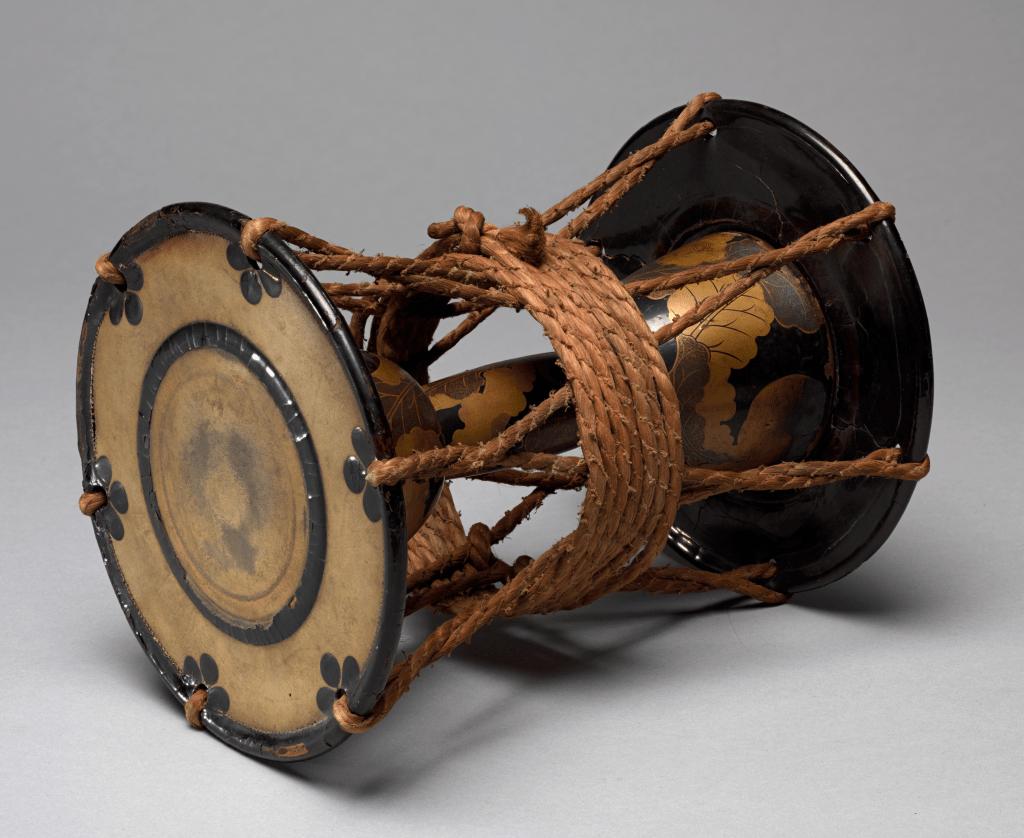
This is another Japanese drum–a hand drum to be exact. It’s shaped like an hourglass and has strings connecting the two heads of the drum. By putting tension on the chords or slackening it, you can change the pitch of the drum as it’s played (pretty cool in my opinion). It is often used in Japanese folklore music.
Yamatogoto–
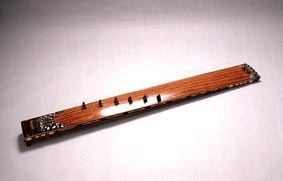
A distant relative of the koto, this instrument — also known as a wagon–has six or seven strings that are plucked. It’s a horizontal instrument, laying similar to the koto and is played kneeling. Compared to the koto, it’s narrower and overall smaller. The Yamatogoto also plays a very important role in the myth of Amaterasu.
Gottan–
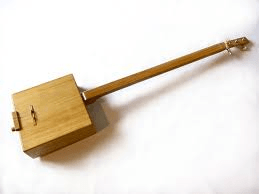
If you recall a couple of years back we highlighted the shamisen instrument. Well, this instrument is also known as a box shamisen. It has three strings and just like the shamisen, is plucked in order to be played. This instrument isn’t hollowed out like you’d expect and instead is made of solid wood. It is thought that the Gottan was used in Kyushu for shinto rituals and perhaps even parts of Okinawa.
Sho–
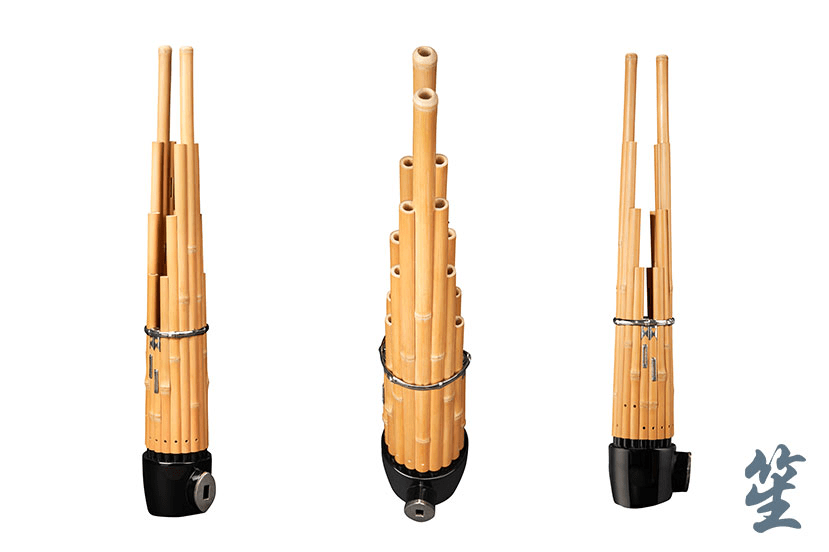
A unique instrument that I recently just found. This instrument is a reed instrument that took after a similar instrument of Chinese origin. It consists of 17 pipes that are made of bamboo, though only 15 of the pipes make sound. The shape is in the motif of wings and the sound produced by the Sho is said to resemble the call of a phoenix. It is perhaps for this reason that the Sho was often used in imperial court music.
Hope you all enjoyed this highlight! We’ll see you tomorrow for day three of Hotsui Matsuri. Until then,
xoxo
Luna
 We be bloggin'
One thought on “Hotsui Matsuri- Day 2- Even More Traditional Instruments!”