Welcome back to our final day of Hotsui Matsuri! I, Star, felt like it was over too fast -cries in shoujo- but it’s all good, we’ll have more content to give you next year too! For now though, we’ll end this year in a fashionable exit as I take you on a short tour of Japan’s traditional fashion trends. From how to wear a Kimono to when to Yukata I got chu! I’m pretty passionate about this subject so I’ll try to keep it short!
The Kimono
The Kimono is the basic structure of traditional wear. They are androgynous by nature being that they are made oversized. This means there’s a whole lot of layering from the innermost layer being the undergarment layer. The second layer is considered the inner layer that keeps the wearer warm. Then there’s the out layer it’s the one that is shown to the public most as the front-facing layer. Then there’s the outermost layer worn in the cold seasons and ceremonial events and is often draped across the shoulders and not secured by ties or an Obi. Typically Kimonos are one size fit all which means they’ve mastered the art of hemming. Although it was custom for the Kimonos worn by women to touch the ground. Many women wore tall wooden sandals to add a few inches and often shuffled to get from place to place.
For those new to Kimono fashion, the Obi is used to secure all the layers together as a giant sash wrapped around the wearer’s waist and by a series of intricate folds and sometimes a cord or short, thin handkerchief or maybe a light almost translucent sash in bright colors. The best part of Kimono fashion is how you wear each layer and all the accessories that go with it. Kimono usually come in gorgeous designs dyed in earth tones due to the use of natural dyes. Of course all white and all black are used for specific reasons like weddings, grieving and uniforms which makes these colors something of a statement piece. But, there is also the use of color palette and tucking of the long ends of the Kimono to allow easier movement. A person of high-born status often wore many inner layers. While a low-class person would have just one Kimono. High-class individuals have a lot more fun pieces that may hang off the shoulders or tuck into the front.
The Yukata

It looks a lot like a Kimono in structure but it’s made of light fabric like linen, hemp, and cotton, instead of the silk, wool, Japanese crêpe (chirimen), and figured damask weaves (rinzu). They are also made shorter and are usually worn in one or two layers. It’s made for the warmer seasons like Summer and parts of Spring and Autumn.
An Obi and accessories can be used to secure the Yukata closed but there are many options or sashes and cords.
The Haori
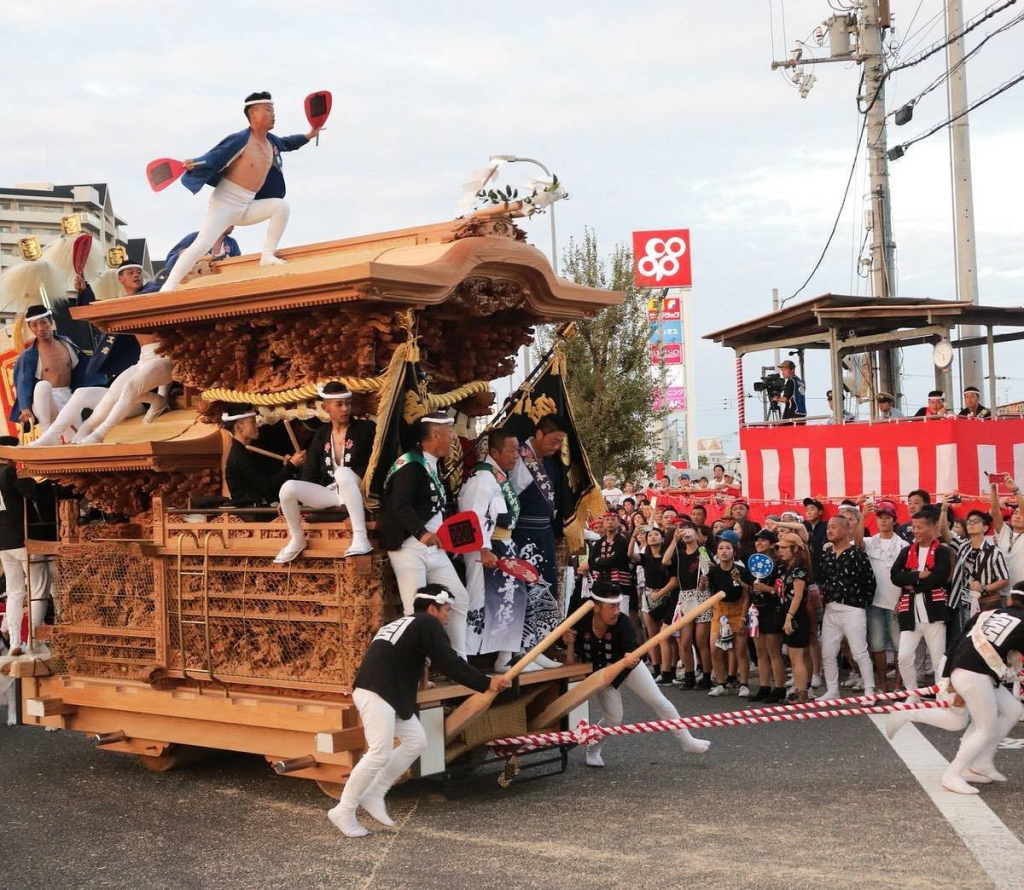
Imagine just a shorter Kimono! It’s made to cover your top half (shoulders to hips) with slimmer sleeves usually worn open but can be secured closed… ish. It can be comfortable and light. Which makes it the ideal go-to for festivals and uniforms. For the most part, everyone in that photo who is a part of the festivities is wearing a Haori!
The Hakama
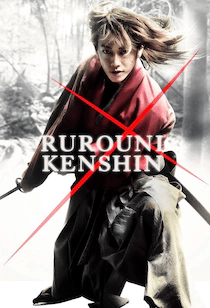
Okay, so I’m promising not to spam this post with too many pics of this man in his Hakama but like… He wears it so well haha! Hakama is a two-piece kimono-style outfit. It’s typically a Kimono style top with pants! The pants follow a pleated pattern to pull in the fabric at the top trim but it’s generally billowing at the bottom and secured at the waist with long ties that are sewn at the ends and adjusted to the wearer. A more feminine style has a solid top whereas a men’s style has openings at the side. This allows more movement when bending the knee.
Every day Accessories
The Tabi
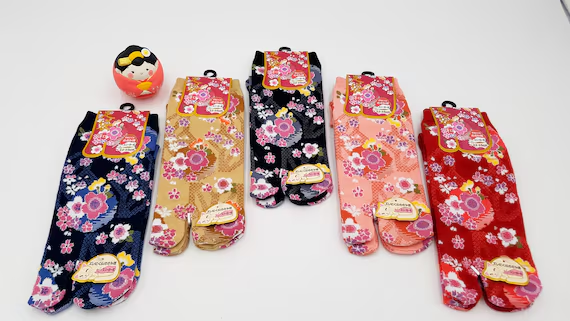
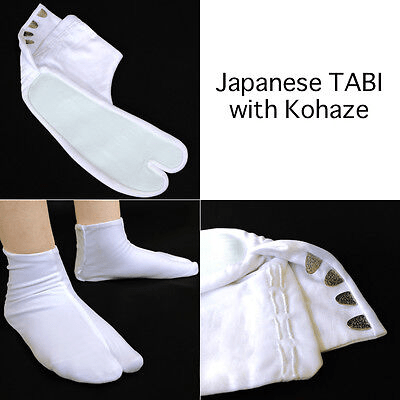
It’s the Kimono sock! I know this is a really niche thing to get excited over but honestly, it’s my favorite kind of socks to wear. The modern-day Tabi is made out of the same fabric you see today but the traditional kind has what is called Kohaze which are little metal tabs used to secure the Tabi to the ankle and a harder thicker fabric from walking around on hardwood. They grip easier than regular socks which was ideal back in the day. They usually came in white or black. Very rarely were they any other color, compared to nowadays have fun designs and lots of colors.
The Kanzashi
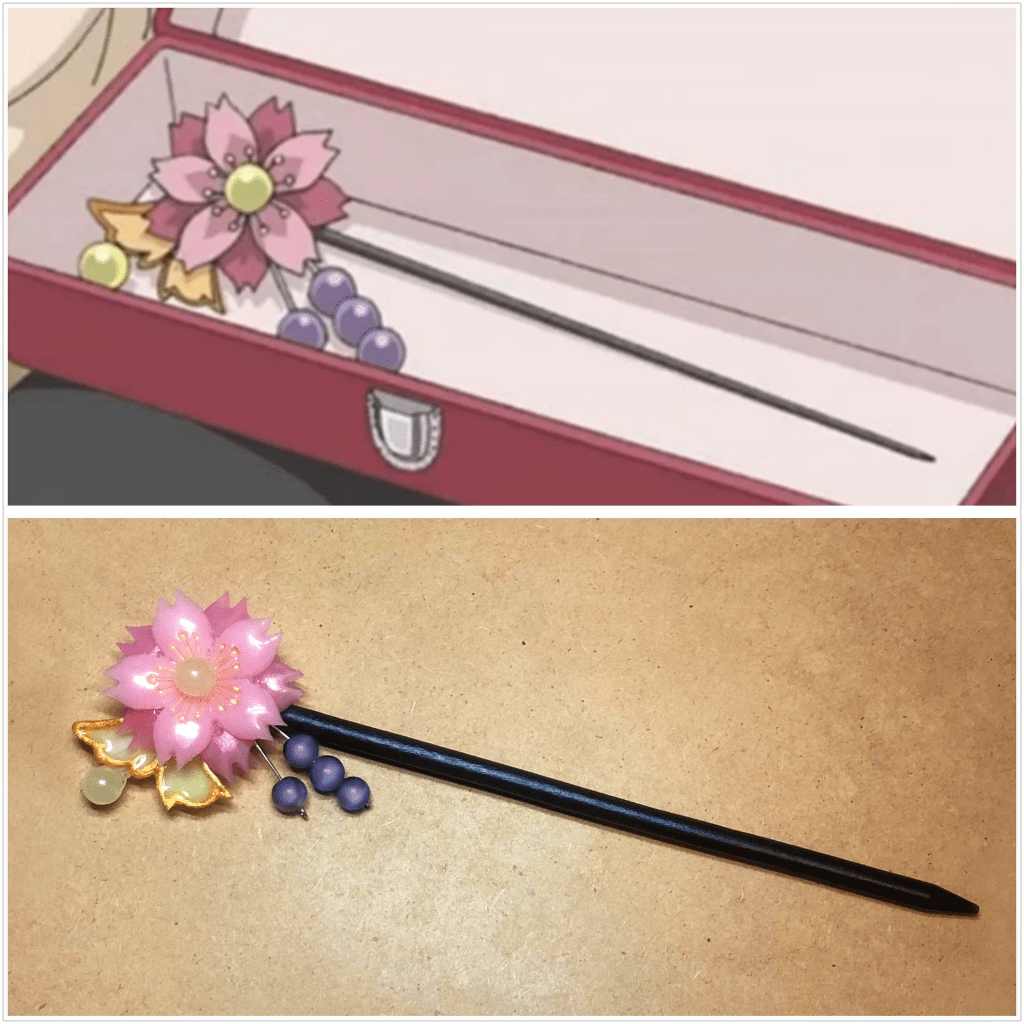
Aka, Japanese hairpins. For those of you that are long-time readers, you already know how I feel about Hairpins being significant symbols of one’s love for another. They are gorgeous eye-catchers which is why they make good gifts. Kanzashi is an umbrella term for Hair pins, barrettes, fabric flowers and hair ties.
The Hachimaki
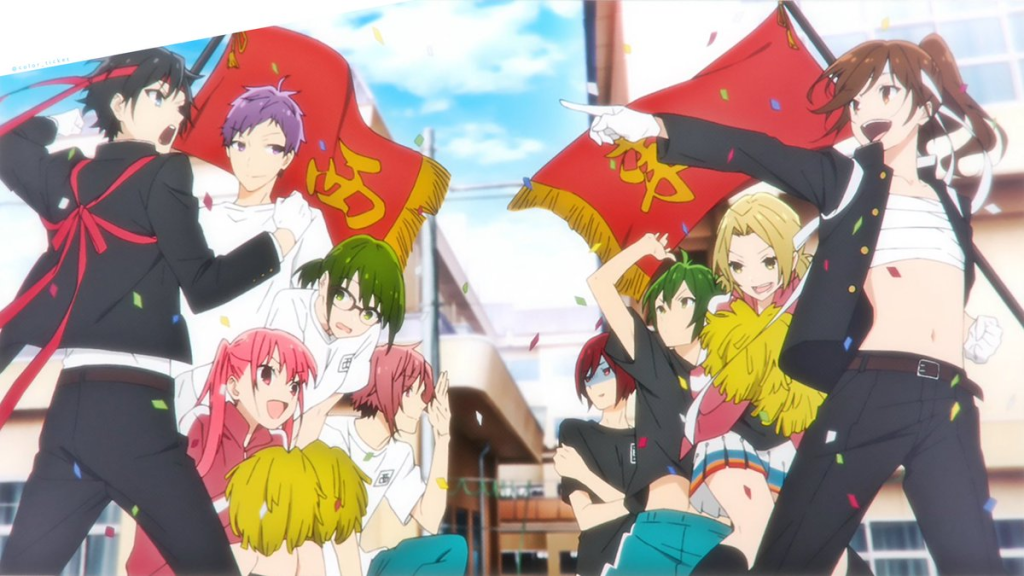
Sometimes worn by samurai/ninja and other martial artists, is a headband that is tied around the forehead for sports events. Sometimes it’s a decorative piece of fabric that is twisted or flat with Kanji.
And there you have it, everyone! That’s the end of Hotsui Matsuri! I hope you enjoyed this fashionable exit!
AishiteLOVEru~
Star
 We be bloggin'
2 thoughts on “Day 6 of Hotsui Matsuri 2024: Demystifying Japanese Traditional Fashion”